

Introduction: The Car as a Cultural Compass
Few inventions have had as profound an impact on human civilization as the automobile. From reshaping cities and fueling industrial growth to redefining personal freedom, cars have left an indelible mark on modern life. Yet the automotive world today is no longer driven solely by combustion engines and chrome finishes. It is in the midst of a sweeping reinvention—driven by innovation, environmental consciousness, and rapidly evolving consumer expectations.
In an era marked by climate urgency, digital transformation, and the rise of new mobility philosophies, the automotive industry finds itself not merely evolving, but undergoing a renaissance. This article explores the intricate layers of this transition, providing a comprehensive view of the current automotive landscape and the road ahead.
The Electric Revolution: From Niche to Norm
The transition from internal combustion engines to electric propulsion stands as one of the most defining shifts in automotive history. What was once an alternative experiment is now the mainstream ambition of automakers around the globe.
Why the Electric Future Matters
-
Environmental Imperatives: Electric vehicles (EVs) produce no tailpipe emissions, making them a critical component in the global fight against climate change and urban air pollution.
-
Technological Maturity: Breakthroughs in battery technology have extended driving ranges and reduced charging times, addressing two of the major concerns that once plagued EV adoption.
-
Policy Incentives: Governments in Europe, North America, and Asia are offering tax breaks, subsidies, and tighter emission standards to accelerate EV sales.
Tesla’s dominance, China’s massive EV output, and Europe’s aggressive zero-emission goals have turned electric mobility from a concept into a competitive standard. Traditional manufacturers like Volkswagen, GM, and Mercedes-Benz have pledged full electrification over the coming decades, signaling the inevitable decline of gasoline-powered vehicles.
Autonomous Driving: Engineering Intelligence on Wheels
Self-driving technology has moved from fantasy to firm possibility. While full autonomy (Level 5) remains years away from commercial reality, significant strides have already been made in automated safety systems and driver assistance.
Key Developments in Autonomy
-
Advanced Driver Assistance Systems (ADAS): Features such as lane-keeping assist, adaptive cruise control, and automatic emergency braking have become common even in mid-range models.
-
Machine Learning Integration: AI systems process data from a multitude of sensors to make split-second driving decisions, constantly improving with real-world exposure.
-
Urban Testing Pilots: Companies like Waymo, Cruise, and Baidu are testing robotaxis in live urban environments with promising results.
The implications of widespread autonomous vehicles extend beyond convenience. They could reduce accidents, redefine traffic patterns, and liberate millions from the act of driving. However, safety regulations, liability concerns, and public trust remain significant barriers to full implementation.
Connectivity and the Digital Cabin Experience
The modern vehicle is no longer just a mechanical object—it is a connected, software-driven environment that communicates with its driver, the cloud, and the surrounding infrastructure.
The Rise of Smart Cars
-
Infotainment Evolution: Touchscreen interfaces, voice-controlled assistants, and smartphone integration have made car interiors more interactive than ever.
-
Vehicle-to-Everything (V2X): Emerging technologies are enabling cars to “talk” to traffic lights, nearby vehicles, and even pedestrians to optimize safety and efficiency.
-
OTA Updates: Much like smartphones, vehicles can now receive software updates over-the-air, enhancing features and fixing bugs without a trip to the dealership.
These advancements are not just superficial upgrades—they reflect a profound shift toward user-centric design and digital personalization.
Sustainability: A Core Design Principle
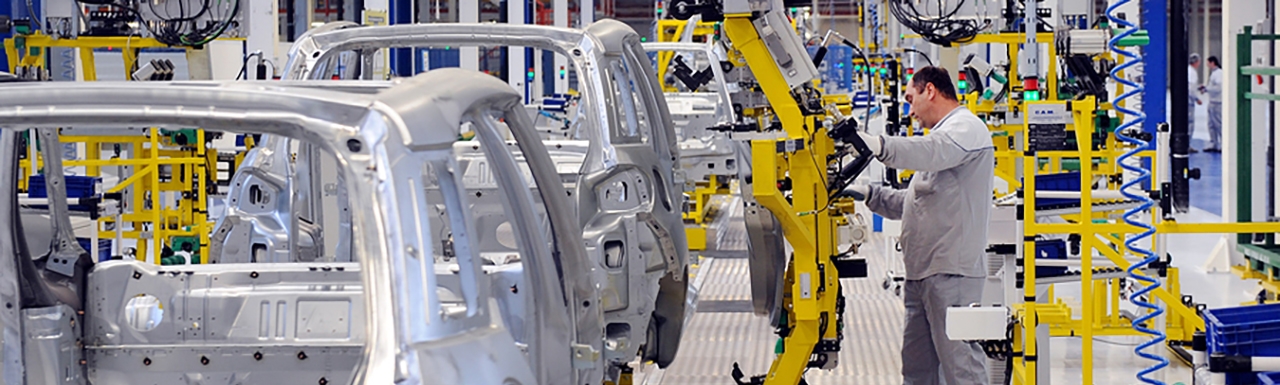
Sustainability has transcended its status as a buzzword to become a fundamental design and operational principle for modern automakers.
Green Practices in the Automotive Ecosystem
-
Eco-friendly Materials: Manufacturers are turning to recycled plastics, natural fibers, and cruelty-free leather alternatives to minimize environmental impact.
-
Efficient Manufacturing: Automakers are reducing water usage, cutting down emissions during production, and investing in renewable energy for factories.
-
Lifecycle Responsibility: There’s growing attention to how vehicles are disposed of or recycled, leading to the development of modular cars that are easier to disassemble and repurpose.
Luxury brands like BMW and Volvo have incorporated sustainability into their brand identity, while newcomers like Polestar and Fisker are positioning themselves as carbon-neutral pioneers from day one.
Redefining Ownership: The Mobility-as-a-Service Model
Traditional car ownership is no longer the dominant narrative, especially in urban centers where space is limited and mobility needs are diverse.
Trends Shaping the New Mobility Economy
-
Subscription Services: Platforms now offer flexible car subscriptions that allow users to change vehicles or cancel anytime without the long-term burden of ownership.
-
Car Sharing and Ride-Hailing: Services like Zipcar, Uber, and Lyft have introduced mobility on demand, often at lower cost and with less environmental impact.
-
Micro-Mobility Options: The surge of e-scooters, e-bikes, and compact EVs is reshaping short-distance travel in urban landscapes.
This shift is not only convenient but also economically and environmentally aligned with the lifestyles of younger, more sustainability-conscious generations.
Design Language: Where Art Meets Aerodynamics
Modern car design has become an arena for both aesthetic excellence and scientific precision. Today’s vehicles must look stunning, perform flawlessly, and meet stringent environmental benchmarks.
Key Design Principles Today
-
Aerodynamics: Reduced drag improves fuel efficiency and range, making streamlined silhouettes more than just a style choice.
-
Human-Centric Interiors: Spacious layouts, ambient lighting, and tactile materials create a cocoon of comfort and control.
-
Signature Lighting: Distinctive LED and matrix lighting systems have become defining visual cues, setting brands apart and enhancing night-time safety.
Manufacturers now collaborate with interior designers, tech developers, and even psychologists to create cars that don’t just move, but inspire.
Challenges Ahead: Navigating Complexity with Vision
As promising as the future looks, the automotive industry must navigate a complex web of challenges.
Obstacles on the Road
-
Raw Material Constraints: The race to secure lithium, cobalt, and rare earth metals is intensifying, raising ethical and logistical questions.
-
Cybersecurity Risks: The more connected a car becomes, the more vulnerable it is to digital threats. Ensuring safety in the cyber realm is now a critical responsibility.
-
Regulatory Disparity: Varying rules and regulations across countries make global innovation deployment slow and expensive.
Addressing these challenges will require collaborative solutions, from new business models to cross-industry partnerships.
Conclusion: Driving Toward a Purposeful Future
The automotive industry is no longer merely a manufacturer of vehicles—it is an architect of future lifestyles, cities, and ecosystems. The transition underway is both dramatic and deeply intentional. It is not just about faster cars or sleeker designs; it’s about intelligent machines that reflect a smarter, cleaner, and more connected world.
As technology, sustainability, and human experience converge, the automobile is being redefined. It is no longer just a vehicle—it is a vision in motion. And as we shift gears toward this promising horizon, one truth stands firm: the journey ahead is just beginning.