

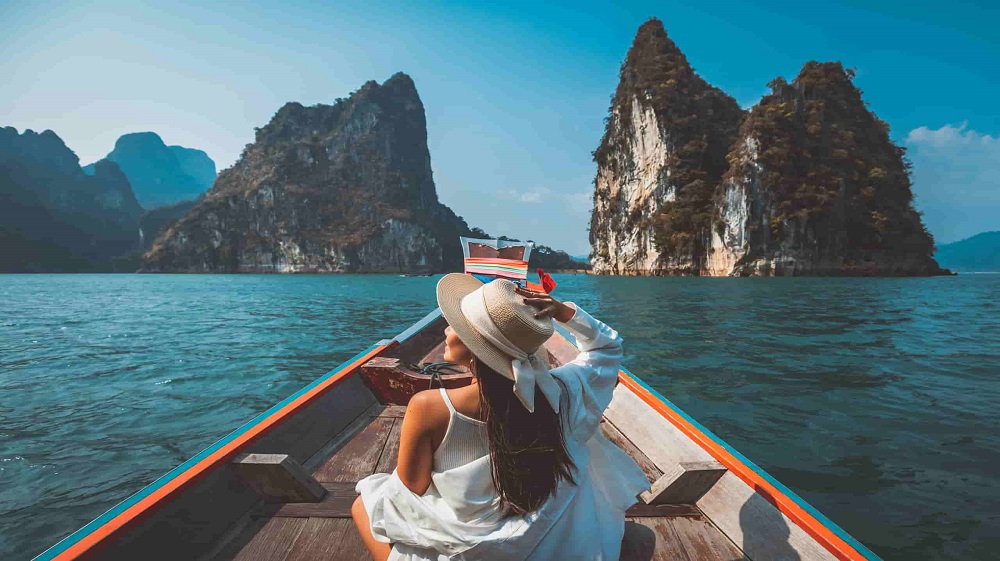
The definition of luxury has undergone a radical transformation. For decades, high-end travel was explicitly measured by material opulence, tangible excess, and standardized markers of wealth. Gilded hotel lobbies, white-glove fine dining, and heavy marble bathrooms defined the pinnacle of the hospitality industry. However, a profound demographic and psychological shift has altered what affluent travelers value most.
In the modern era, true luxury is no longer about what you can possess or display. Instead, it is defined by the intangible, the scarce, and the intensely personal. The elite traveler of today prioritizes the acquisition of time, privacy, profound emotional connection, and unrepeatable experiences. As a result, the future of high-end hospitality is shifting toward a model of hyper-customization, holistic wellness, deep environmental stewardship, and seamless technological integration that anticipates a traveler’s desires before they are even consciously articulated.
Hyper-Personalization Through Predictive Intelligence
The future of luxury travel leaves no room for generic itineraries or templated service. The standard approach of offering a welcome fruit basket or a generic bottle of champagne based on a loyalty tier is entirely obsolete. High-end hospitality providers are transforming into curators of hyper-personalized journeys, leveraging data analytics and artificial intelligence to design environments completely tailored to the individual.
This transformation relies heavily on predictive intelligence. By analyzing a guest’s past behaviors, preferences, biological rhythms, and historical interactions, luxury brands can construct a seamless, highly individualized ecosystem for the traveler long before they arrive at their destination.
- Circadian Lighting and Environmental Controls: Next-generation luxury suites automatically adjust their internal temperature, humidity, and ambient lighting spectrums based on the arriving guest’s home time zone. This active intervention minimizes jet lag and stabilizes the traveler’s circadian rhythms from the moment they step through the door.
- Pre-Curation of Material Spaces: Hotel rooms are pre-configured to reflect the exact physical needs of the guest. This includes stocking the in-room bar with specific artisanal beverages, equipping the wardrobe with precise sizes from preferred local fashion brands, and adjusting the firmness of the mattress and pillow architecture based on pre-recorded sleep metrics.
- Algorithmic Culinary Adjustments: Fine dining within the luxury sector is moving toward personalized nourishment. Menus are dynamically adjusted to align with the guest’s specific metabolic profile, current inflammatory markers, or precise nutritional goals, without ever sacrificing the gastronomic artistry expected of a Michelin-starred kitchen.
- Invisible Service Flow: Technology is deployed to remove all friction from the travel process, rendering the operational mechanics completely invisible. Physical check-in desks, plastic key cards, and manual payment processing are replaced by biometric recognition systems, allowing the guest to move effortlessly through spaces.
The Rise of Transformative and Experiential Tourism
As material possessions lose their social currency among the ultra-wealthy, the focus has shifted entirely to experiential capital. High-end travelers are seeking transformative tourism—journeys designed to fundamentally alter the traveler’s perspective, foster self-actualization, or facilitate the acquisition of a rare, highly specialized skill.
The future of luxury itineraries is built around absolute exclusivity and unrepeatable access. Travelers do not want to view a historic site from behind a velvet rope alongside thousands of other tourists. They demand private, solitary access to the world’s cultural, historical, and natural wonders.
Ephemeral Access and Solitary Exploration
Luxury providers are increasingly securing exclusive rights to remote locations, allowing guests to experience fragile ecosystems or historical landmarks in complete isolation. This includes private midnight viewings of major museum collections accompanied by the head curator, or temporary luxury encampments constructed in the heart of uninhabited deserts or polar regions, dismantled entirely once the guest departs to leave zero environmental footprint.
Purpose-Driven Learning and Mentorship
Vacations are increasingly taking the form of intense, masterclass-level mentorship programs. High-end travel agencies now pair clients with world-renowned experts for the duration of their trip. A journey to an archaeological site is guided by the primary excavator, an oceanic voyage is accompanied by a leading marine biologist, and a culinary expedition involves one-on-one kitchen mentorship with a globally celebrated chef.
Psychological and Narrative Journey Design
Travel architecture is beginning to incorporate principles of narrative psychology. Experiences are intentionally paced to challenge the traveler, push them slightly outside their comfort zone through physical or intellectual exertion, and provide a structured framework for reflection, ensuring the journey leaves a permanent imprint on their identity.
Holistic Wellness and Longevity Optimization
Wellness tourism has evolved far beyond basic spa treatments, superficial massages, and standard yoga pavilions. The future of luxury travel treats wellness as an advanced science dedicated to life extension, cognitive enhancement, and cellular rejuvenation. Affluent travelers are increasingly structuring entire vacations around medical longevity protocols and holistic lifestyle redesign.
Modern high-end wellness retreats operate like a hybrid of an ultra-luxury resort and an advanced medical research facility. Upon arrival, guests undergo comprehensive diagnostic assessments, including genetic sequencing, full-body fluid analysis, gut microbiome mapping, and advanced cardiovascular stress testing.
The data gathered from these diagnostics dictates a highly precise, medically supervised regimen executed throughout the stay. This includes advanced therapies such as intravenous cellular nutrient infusions, hyperbaric oxygen treatments, cryotherapy cycles, and targeted neurofeedback sessions designed to reduce chronic neural inflammation and optimize cognitive performance. The goal of these experiences is not merely temporary relaxation, but the systemic reset of the individual’s biological age, equipping them with a personalized operational blueprint to sustain their vitality long after they return to their daily routines.
Regenerative Luxury and Ethical Stewardship
The modern luxury consumer is acutely aware of the global climate crisis and the sociological impact of mass tourism. Consequently, the high-end travel market is discarding passive sustainability in favor of active, measurable regenerative luxury. Affluent travelers increasingly refuse to patronize institutions that merely avoid doing harm; they demand that their presence actively improves the destination.
Regenerative luxury requires a complete restructuring of the relationship between the hospitality property, the local ecosystem, and the indigenous community. This ethical framework manifests across several core areas of operation:
- Carbon-Positive Infrastructure: Next-generation luxury lodges and resorts are designed as closed-loop, self-sustaining organisms. They generate their own renewable energy, capture and purify their own water supply, and utilize advanced biomimicry in their architecture to eliminate the need for artificial heating and cooling systems.
- Biodiversity Restoration Funding: High-end resorts are taking on the role of conservation stewards, acquiring thousands of hectares of surrounding degraded land to actively rewild ecosystems, reintroduce native apex predators, and fund permanent anti-poaching operations through guest revenue.
- Radical Supply Chain Localization: The culinary and material offerings of a luxury property are strictly bounded by its immediate geography. This moves beyond basic farm-to-table dining to encompass hyper-local structural materials, hand-woven textiles created by local artisans paid far above fair-market wages, and the total elimination of imported commercial goods.
- Active Guest Participation in Conservation: Travelers are seeking direct, hands-on involvement in preservation efforts. This includes participating in coral reef reconstruction alongside marine scientists, funding and executing veterinary interventions on endangered wildlife, or collaborating on structural infrastructure projects within local communities.
Ultra-Deep Frontier Exploration
As traditional destinations become saturated, the ultimate marker of luxury travel has moved toward the final frontiers of human exploration: space and the deep ocean. The commercialization of extreme environments has opened up access to territories that were previously accessible only to heavily funded government astronauts and scientific researchers.
Sub-orbital space tourism has transitioned from a theoretical concept into an active, exclusive market for the global elite, offering civilian astronauts the opportunity to experience the overview effect—the cognitive shift that occurs when viewing the Earth from orbit. Concurrently, deep-sea exploration utilizing advanced, private submersibles allows luxury travelers to descend into oceanic trenches to view undiscovered marine life and historic deep-water shipwrecks. These extreme expeditions represent the absolute pinnacle of modern experiential capital, combining immense financial investment with a taste for profound, boundary-pushing discovery.
Frequently Asked Questions
How will autonomous transport change the logistics of luxury travel?
Autonomous aviation and advanced drone technology will completely eliminate the logistical friction of the first and last mile of a journey. Point-to-point autonomous vertical takeoff and landing aircraft will pick up luxury travelers directly from their private residences or office rooftops, bypassing commercial airport terminals entirely. This creates a continuous, private transportation capsule where the traveler can work, rest, or dine in a controlled environment while moving seamlessly between international hubs and remote wilderness resorts.
What is the role of virtual reality in the future of high-end tourism?
Virtual reality will not replace physical luxury travel; instead, it will serve as an advanced preview and curation tool. Affluent consumers will use immersive virtual environments to explore various room layouts, geographic terrains, and excursion options before booking. This eliminates the financial and temporal risk of a destination failing to meet expectations. Additionally, virtual reality will be used post-trip as a archiving mechanism, allowing travelers to vividly revisit their experiences and private excursions in a high-fidelity digital format.
How do luxury brands maintain privacy in an era of ubiquitous digital surveillance?
The protection of data privacy has become one of the most critical commodities in the high-end sector. Elite hospitality brands are investing heavily in localized cyberdefense frameworks, military-grade encryption for guest data, and strict non-disclosure protocols for all operational staff. Physical privacy is maintained through the deployment of advanced anti-drone technologies, laser-shielded glass that prevents long-range photography, and the construction of vast buffer zones around properties to guarantee absolute isolation from public view.
Will the human element of service be replaced by artificial intelligence in luxury hotels?
No. While artificial intelligence will handle data analysis, predictive scheduling, and behind-the-scenes logistics, the front-facing human element will remain the ultimate marker of true luxury. The role of the traditional hospitality worker is shifting toward that of an intuitive emotional guide. Human empathy, spontaneous warmth, cultural storytelling, and the ability to read subtle facial expressions are qualities that machines cannot replicate, making authentic human connection a premium luxury feature.
What is a zero-footprint temporary luxury camp?
A zero-footprint temporary camp is an ultra-high-end accommodation setup deployed in extreme, pristine environments like the Arctic ice cap or the interior of a national park for a highly restricted timeframe. These camps utilize advanced modular architecture and self-contained waste management systems. Once the guests depart, the entire structure is completely disassembled and transported away, leaving the natural environment in its exact original state, with no physical scarring, soil compaction, or ecological disruption.
How does genomic sequencing influence personalized travel planning?
Genomic sequencing allows luxury wellness retreats to identify an individual’s specific genetic predispositions toward cellular aging, metabolic efficiency, sleep disorders, and nutritional deficiencies. Travel planners use this genetic blueprint to design custom environmental conditions, targeted physical exertion schedules, and precise nutritional menus that align perfectly with the client’s DNA, shifting the vacation from a period of passive indulgence to a scientifically optimized intervention for biological longevity.