

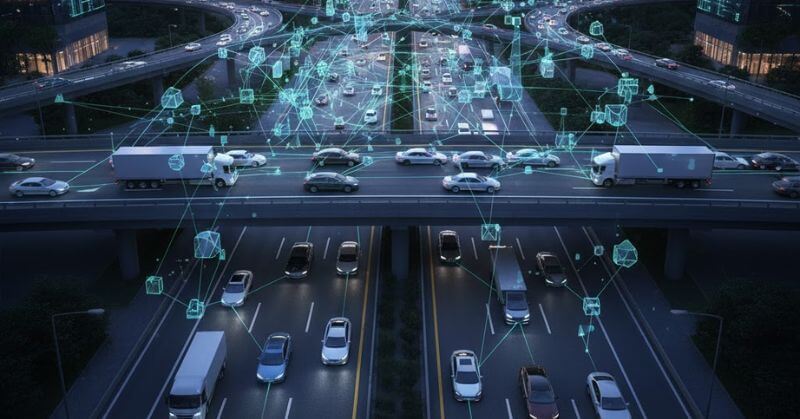
For more than a century, automotive safety focused heavily on surviving a crash. Engineers developed stronger steel cages, designed crumple zones to absorb impact energy, and packed interiors with airbags and seatbelts. While these passive safety features saved millions of lives, they only functioned after a collision occurred.
Today, a profound shift is underway. The automotive industry is leveraging cutting-edge computing, advanced sensors, and real-time data to prevent accidents from happening in the first place. With human error contributing to over ninety percent of all motor vehicle crashes, technological intervention has become the most effective tool for improving road safety. By compensating for driver distraction, fatigue, and poor visibility, modern vehicle technology is actively transforming public roads into significantly safer environments.
The Power of Advanced Driver Assistance Systems
Advanced Driver Assistance Systems, commonly known as ADAS, represent the vanguard of accident prevention. These systems act as an electronic co-pilot, constantly monitoring the perimeter of the vehicle and intervening when a threat is detected.
Automatic Emergency Braking
Automatic Emergency Braking is arguably the most critical safety advancement since the seatbelt. Using a combination of radar sensors and forward-facing cameras, the system scans the road ahead for stopped vehicles, pedestrians, or unexpected obstacles. If the driver fails to react to a looming collision, the vehicle automatically applies the brakes. Studies from highway safety organizations indicate that front crash prevention systems reduce rear-end collisions by nearly fifty percent, preventing thousands of whiplash injuries and structural impacts every year.
Lane Keeping Assist and Departure Warning
Distracted driving often causes vehicles to drift out of their designated lanes, leading to catastrophic head-on collisions or side-swipes. Lane departure warning systems use machine vision to track painted road markings. If a vehicle crosses a line without a turn signal activated, the steering wheel vibrates or an audible alert sounds. More advanced iteration, known as lane keeping assist, provides gentle steering inputs to guide the vehicle back into the center of the lane automatically.
Blind Spot Detection
Side mirrors leave notorious blind spots that can make highway lane changes hazardous. Blind spot detection systems utilize short-range radar sensors mounted in the rear bumpers to monitor these hidden zones. When another vehicle enters the blind spot, a visual indicator illuminates on the corresponding side mirror. If the driver activates the turn signal to move into an occupied lane, the system flashes aggressively or sounds an alarm to halt the maneuver.
Intelligent Sensor Technology and Machine Vision
The efficacy of modern safety features relies entirely on the vehicle’s ability to perceive its surroundings. Modern cars use a sophisticated array of sensors that mimic, and in many cases exceed, human sensory capabilities.
- Radar Sensors: Operating in the microwave spectrum, radar is highly effective at measuring the distance and relative speed of objects. It remains unaffected by heavy rain, fog, or darkness, making it ideal for adaptive cruise control and forward collision monitoring.
- Cameras and Computer Vision: High-resolution cameras capture visual data around the vehicle. Sophisticated computer vision algorithms process these images in milliseconds, allowing the vehicle to read speed limit signs, identify pedestrians, detect traffic lights, and recognize lane boundaries.
- LiDAR Systems: Light Detection and Ranging utilizes laser beams to create a precise, three-dimensional map of the environment. While primary found on autonomous testing fleets and premium consumer vehicles, LiDAR provides unmatched spatial accuracy, ensuring the vehicle can differentiate between a harmless plastic bag and a solid concrete barrier.
Connectivity and the Rise of V2X Communication
While onboard sensors provide an excellent line-of-sight defense, they cannot see around blind corners or through large commercial trucks. This limitation is being solved by Vehicle-to-Everything communication, a wireless technology that allows automobiles to share data with their environment in real time.
Vehicle-to-Vehicle Communication
With Vehicle-to-Vehicle technology, cars continuously broadcast their speed, position, braking status, and direction of travel to other nearby automobiles. If a car three vehicles ahead slams on its brakes, the trailing vehicles receive an instantaneous alert, allowing drivers to slow down long before their physical sightlines reveal the hazard. This cooperative awareness is highly effective at preventing multi-car pileups on high-speed freeways.
Vehicle-to-Infrastructure Communication
Vehicle-to-Infrastructure technology connects automobiles directly to smart traffic management systems. Intersections equipped with this technology can warn a driver if they are on a trajectory to run a red light, or alert an approaching vehicle that a pedestrian has stepped into a crosswalk around a hidden bend. Furthermore, municipal transit systems can transmit real-time data regarding icy road conditions, active construction zones, or sudden traffic bottlenecks directly to the vehicle dashboard.
Monitoring Driver State and Combating Fatigue
Even with external sensors scanning the road, safety can still be compromised if the person behind the wheel is compromised. Driver drowsiness and distraction remain leading causes of highway fatalities. To address this, automakers are turning their sensors inward.
Driver Monitoring Systems utilize small infrared cameras mounted on the steering column or rearview mirror to track facial expressions and eye movements. Advanced software analyzes the frequency of blinking, the duration of eye closure, and the angle of the driver’s gaze.
If the system detects signs of microsleep or notices that the driver has looked away from the road for an extended period, it issues a series of escalating alerts. These begin with visual icons and audible chimes, and can progress to seat vibrations or a dashboard suggestion to take a rest break. By keeping the driver focused and awake, these interior systems prevent accidents before an external threat even develops.
Adaptive Lighting and Nighttime Safety
A disproportionate number of fatal traffic accidents occur during nighttime hours, despite overall traffic volumes being significantly lower. Reduced visibility severely compromises driver reaction times. Modern lighting technology is changing how drivers navigate the dark.
Adaptive driving beams and matrix LED headlights represent a massive leap forward from traditional high beams. Utilizing a network of individually controlled LEDs paired with forward-facing cameras, these smart headlights can dynamically alter the shape of the light beam. When the camera detects oncoming traffic, the headlight turns off specific LEDs to cast a shadow precisely over the oncoming vehicle, preventing the other driver from being blinded.
Meanwhile, the remaining LEDs keep the rest of the road, including shoulders and ditches where wildlife might emerge, fully illuminated with high-beam intensity. This maximizes visibility without compromising the safety of other road users.
Frequently Asked Questions
Can vehicle safety technology completely eliminate the occurrence of road accidents?
While modern vehicle technology drastically reduces the frequency and severity of collisions, it cannot completely eliminate them. Unpredictable environmental factors, severe weather conditions that obscure sensors, sudden mechanical failures, and extreme human errors can still result in accidents. The current objective of the automotive industry is to minimize the probability of crashes as close to zero as possible.
How do advanced vehicle safety systems perform during severe weather conditions like heavy rain or snow?
Heavy rain, dense fog, and snow accumulation can temporarily degrade the performance of certain optical sensors like cameras. When lenses are obstructed or road markings are covered in snow, features like lane keeping assist may automatically deactivate and notify the driver. However, radar systems are generally unaffected by weather and continue to provide critical tracking data for emergency braking systems.
What happens if a vehicle sensor fails while the car is moving?
Automotive safety systems are engineered with rigorous fail-safe protocols and redundancies. If a camera or radar sensor fails, encounters an electrical error, or becomes blocked by mud, the vehicle will disable the associated assistance features. The system immediately displays a warning message on the dashboard to inform the driver that they must rely entirely on manual driving control.
Does the integration of safety technology make modern cars more expensive to repair after a minor collision?
Yes, vehicles equipped with advanced safety technology generally cost more to repair after a fender bender. Sensors, cameras, and radar units are often located in vulnerable areas such as the front grille, bumpers, and side mirrors. Even a low-speed impact can destroy this delicate electronics gear, requiring expensive replacement parts and precise calibration procedures to ensure the systems function correctly afterward.
Are older vehicles capable of being retrofitted with modern accident prevention features?
Certain basic safety technologies, such as passive lane departure warnings, forward collision alerts, and backup cameras, can be added to older vehicles via aftermarket kits. However, active intervention systems like automatic emergency braking and lane keeping assist cannot be retrofitted. These features require deep integration with the vehicle engine management, braking architecture, and factory electronic steering control systems.
How do driver monitoring systems respect the privacy of the vehicle occupants?
Most factory-installed driver monitoring systems process visual data locally in real time using dedicated internal processors. The closed-loop system analyzes facial vectors to detect fatigue or distraction without recording, saving, or transmitting video footage. The data is instantly overwritten and never leaves the vehicle, ensuring occupant privacy remains protected.
Will the widespread adoption of vehicle technology cause human driving skills to decline over time?
There is an ongoing discussion among safety experts regarding driver over-reliance on automated systems. If operators assume the vehicle will always correct their mistakes, situational awareness can decrease. To prevent this skill degradation, automotive manufacturers design these systems as secondary backup assistants rather than replacements for active, attentive human operation.