

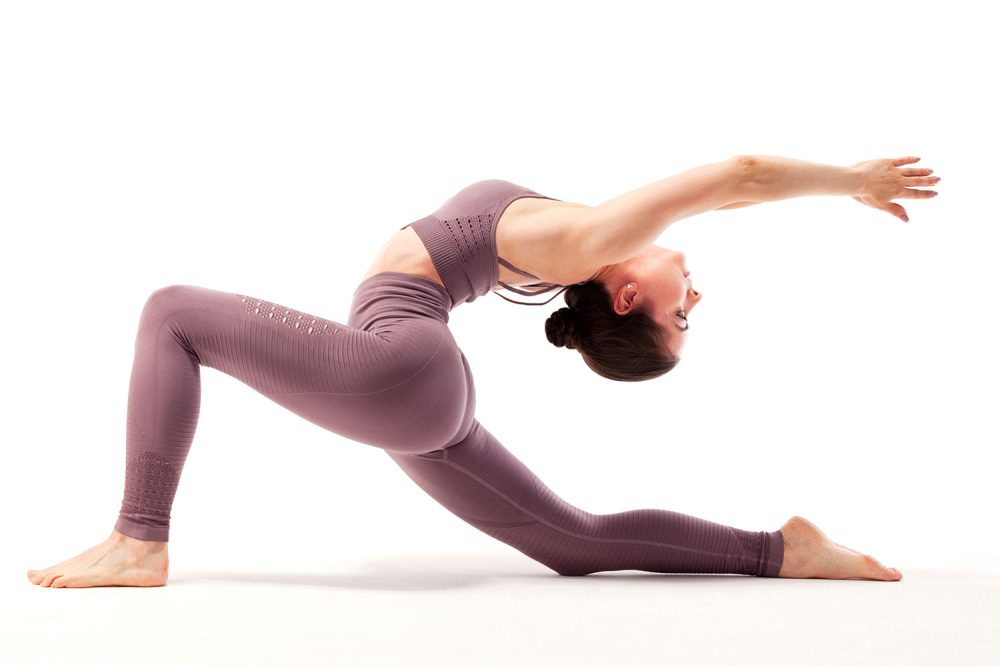
In modern life, emotional turbulence has become a common experience. People juggle work, family, and personal goals while battling constant distractions. Stress, anxiety, and mood swings often follow, leaving many in search of tools that offer genuine balance. One such practice is vinyasa yoga, a dynamic form of yoga that aligns breath with movement. While it is widely known for physical benefits, its influence on emotional balance and mindful living is just as profound. By integrating flowing sequences with controlled breathing, Vinyasa builds a strong connection between body and mind, nurturing stability and peace in daily life.
Understanding the Emotional Dimension of Vinyasa Yoga
Yoga has always been more than physical exercise. At its core, it is a discipline of mind, body, and spirit. Vinyasa, with its continuous flow, invites practitioners to be present with each inhale and exhale. This rhythmic connection redirects attention inward, away from external pressures and emotional clutter. Over time, individuals discover not only strength and flexibility but also emotional steadiness that extends far beyond the mat.
Unlike practices that focus solely on holding postures, Vinyasa encourages adaptability. The flow reminds practitioners that change is constant, teaching them to embrace transitions rather than resist them. This perspective becomes valuable when dealing with life’s inevitable ups and downs.
How Vinyasa Supports Emotional Balance
Emotional balance is not about avoiding difficult feelings but learning to manage them with awareness. Vinyasa provides several pathways for this.
-
Regulating mood through breath: Conscious breathing calms the nervous system, reducing anxiety and creating a sense of groundedness.
-
Channelling emotions into movement: Flow sequences allow emotions like frustration or restlessness to be released physically, preventing them from building up.
-
Improving self-awareness: Staying present during transitions builds sensitivity to emotional patterns, making it easier to respond thoughtfully rather than react impulsively.
-
Cultivating acceptance: Learning to flow through challenging poses with patience mirrors how to accept challenges in life without resistance.
The practice develops both emotional intelligence and resilience, helping individuals stay centred during stressful moments.
Mindful Living Through Vinyasa
Mindfulness is about paying attention to the present moment with openness and curiosity. Vinyasa naturally fosters this mindset because each pose is linked to breath. Practitioners cannot rush or drift mentally without disrupting the flow. This awareness carries into daily activities, encouraging a more conscious way of living.
For example, mindful breathing during a Vinyasa sequence can translate into mindful eating, where individuals savour each bite without distractions. Similarly, the patience cultivated while holding a difficult posture can carry into conversations, promoting deeper listening and empathy.
The Ripple Effect of Mindfulness
-
Improved decision-making: Mindful awareness reduces impulsive choices and promotes clarity.
-
Healthier relationships: Emotional regulation supports better communication and understanding.
-
Work-life harmony: Staying present enhances focus at work while creating space for quality rest and personal connections.
-
Greater life satisfaction: A mindful approach nurtures gratitude and appreciation for simple moments.
Vinyasa is not just a workout; it is a lifestyle practice that shapes how individuals interact with the world.
Emotional Release Through Movement
Emotions often manifest physically as tension in muscles or shallow breathing. Vinyasa addresses this by combining movement with breath, releasing trapped energy. Twists, backbends, and forward folds all play a role in easing emotional blockages.
-
Twists help detoxify and release tension stored in the torso.
-
Backbends open the heart space, promoting feelings of openness and confidence.
-
Forward folds encourage introspection and calmness, soothing anxiety.
When these poses are linked through flow, they create a therapeutic release that restores emotional equilibrium.
The Science Behind Emotional Benefits
Scientific research supports yoga’s role in emotional well-being. Studies reveal that breath-centred movement reduces cortisol, the hormone associated with stress. It also increases levels of serotonin and dopamine, neurotransmitters linked to happiness and motivation. Vinyasa, in particular, enhances heart rate variability, a key marker of resilience to stress. These physiological changes explain why practitioners often leave a class feeling lighter, calmer, and more positive.
Building Consistency for Emotional Growth
While even one session of Vinyasa can lift mood, lasting emotional balance requires consistent practice. Establishing a routine builds familiarity with poses and breathing techniques, making them easier to access when emotions feel overwhelming.
Consistency can be created by:
-
Practising at the same time each day, even if only for 15 minutes.
-
Starting with short sequences like Sun Salutations and gradually expanding.
-
Viewing practice as non-negotiable self-care rather than an optional activity.
Over time, this commitment transforms Vinyasa into a steady anchor in emotional life.
Incorporating Vinyasa into Daily Living
The true power of Vinyasa lies in applying its principles outside of practice. Daily integration makes mindful living more natural.
-
Take three deep breaths before answering stressful messages.
-
Use the rhythm of walking as a chance to link steps with breath.
-
Bring awareness into household tasks, treating them as mindful rituals rather than chores.
-
Pause during difficult conversations to reconnect with breath before responding.
These applications show how Vinyasa’s emphasis on flow and breath can be woven into daily routines, strengthening emotional stability.
Real-Life Impact of Vinyasa on Emotions
Many practitioners share personal stories of transformation. Someone struggling with workplace stress may find that Vinyasa provides an outlet for tension, allowing them to respond to challenges with patience. Another may experience relief from anxiety by focusing on breath during transitions, realising that emotions, like poses, are temporary and ever-changing. These real-life examples illustrate the tangible emotional benefits of the practice.
Why Guided Classes Deepen the Journey
While self-practice can be meaningful, guided sessions offer structure, variety, and professional insight that enrich emotional growth. Teachers guide breathing patterns, suggest mindful cues, and create sequences designed to balance energy. This support helps practitioners explore emotions safely and with greater depth. Studios like Yoga Edition provide nurturing environments where individuals can discover the emotional and mindful dimensions of Vinyasa.
Frequently Asked Questions
Can Vinyasa Yoga help with anxiety and depression?
Yes. Regular practice helps regulate stress hormones, improve mood, and promote mindfulness, which can ease symptoms of anxiety and mild depression.
Do I need to be calm before starting Vinyasa?
Not at all. Vinyasa is designed to help bring calmness. Even if you start in a restless or anxious state, the combination of breath and flow gradually restores balance.
How does Vinyasa compare with meditation for emotional balance?
Vinyasa integrates meditation into movement. For those who struggle to sit still, flowing sequences provide a moving meditation that achieves similar benefits while engaging the body.
Will practising at home still support mindful living?
Yes. Even short, home-based flows can enhance mindfulness and emotional regulation. The key is staying consistent and focused on breath.
Can Vinyasa help with anger management?
Yes. By providing a physical outlet for pent-up energy and teaching breath control, Vinyasa supports healthier responses to anger.